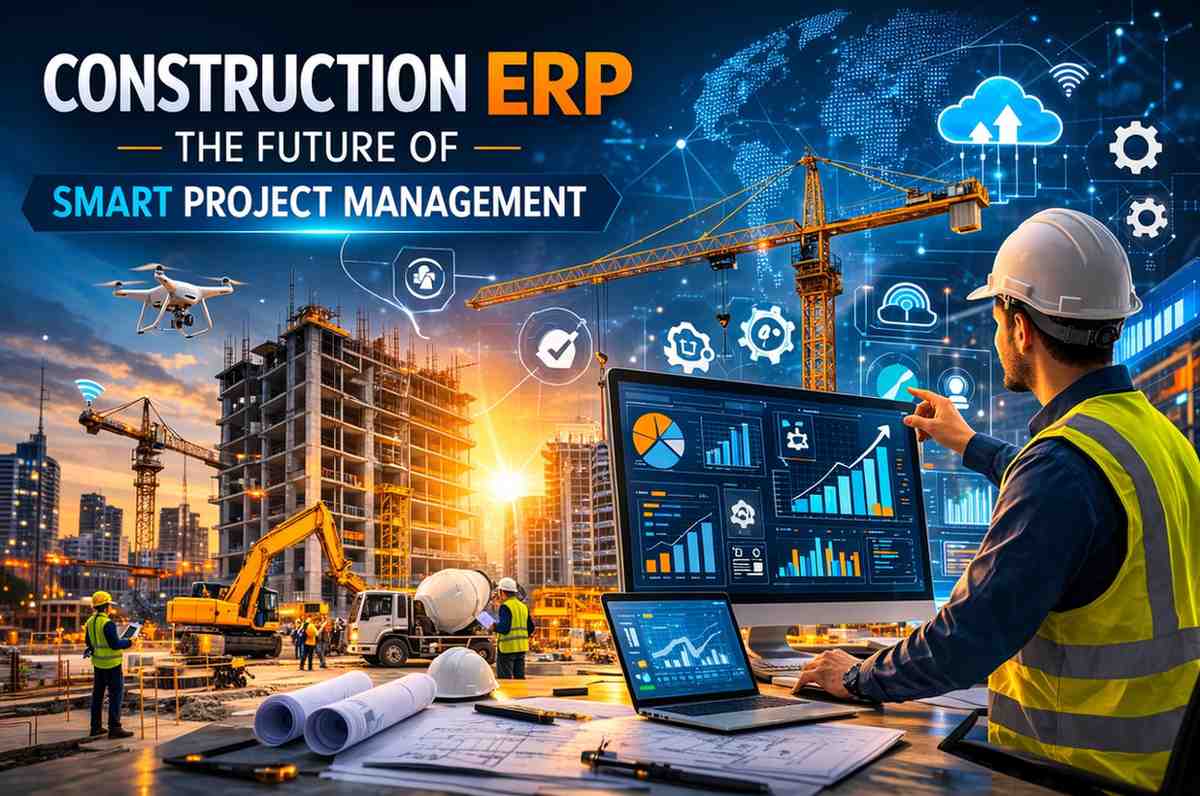
The construction industry has always been about more than just bricks and mortar. It’s about the vision of a skyline, the promise of a home, and the massive coordination of thousands of moving parts. However, ask any project manager or developer about their daily life, and they won’t talk about “vision”—they will talk about missing cement bags, delayed contractors, rising steel prices, and the nightmare of manual paperwork. At Cloudmonte Technologies Pvt. Ltd., we have seen firsthand how these “small” operational gaps can swallow entire profit margins. The traditional way of managing construction—through memory, WhatsApp, and messy Excel sheets—is no longer sustainable. The future belongs to those who build smart. And “Smart” starts with Odoo ERP. The Chaos Behind the Concrete Before we look at the solution, let’s acknowledge the reality of the field. Construction is uniquely difficult because your “factory” changes location with every project. You have a decentralized workforce, unpredictable weather, and fluctuating market rates. Most construction companies face three “Silent Killers”: Information Asymmetry: The site office knows what’s happening, but the Head Office is 48 hours behind. By the time a mistake is caught, the concrete has already dried. Material Leakage: In an industry where raw materials account for nearly 60% of project costs, even a 5% wastage or theft can be the difference between profit and loss. The “Blame Game”: When a project is delayed, the architect blames the contractor, the contractor blames the vendor, and the vendor blames the transport. Without a single source of truth, accountability vanishes. Why Odoo ERP is the Answer There are hundreds of software options out there, but at Cloudmonte Technologies, we chose Odoo because it is modular, intuitive, and incredibly powerful. We don’t just give you a software “box”; we build a digital nervous system tailored to your construction workflow. 1. Real-Time Project Tracking (The Digital Twin) In Odoo, every project is a living entity. You can break down your construction into Work Breakdown Structures (WBS). Phase-wise Tracking: From excavation to finishing, see exactly what percentage of work is complete. Gantt Charts: Visualize the critical path. If the plumbing is delayed, Odoo immediately shows you how that pushes back the painting and electrical work. Daily Progress Reports (DPR): Site engineers can upload photos and notes directly from their mobile phones, giving you a “Live Feed” of the site from your office. 2. Precision Procurement & Inventory Construction materials are like liquid cash. Odoo’s inventory module ensures not a single bag of cement goes missing. Purchase Requisitions: Site supervisors can request materials through the app, which goes to the procurement manager for instant approval. Vendor Comparison: Store historical data of all your suppliers. Who delivers the best quality at the lowest rate? Odoo tells you. Waste Management: By comparing the Bill of Quantities (BOQ) with actual consumption, you can identify if a specific site is wasting more material than others. The Human Side of Technology: The Cloudmonte Philosophy We know what you’re thinking: “My site staff isn’t tech-savvy. They won’t use a complex ERP.” This is where Cloudmonte Technologies Pvt. Ltd. makes the difference. We believe that if a software is hard to use, it’s a bad software. Our implementation strategy is focused on Humanization: Simplification: We strip away the jargon. We customize the Odoo interface so your site supervisor sees only what they need—simple buttons to “Receive Material” or “Mark Attendance.” Mobile-First Approach: Construction doesn’t happen behind a desk. Our Odoo solutions are optimized for tablets and smartphones. Whether you are on a scaffolding or in a boardroom, you have the same data. Bridge the Gap: We act as the mediator between your site engineers and your accountants. We ensure that the data flowing from the muddy boots on the ground makes perfect sense to the polished shoes in the boardroom. Financial Control: Knowing Your Numbers In construction, “Revenue” is a vanity metric; “Cash Flow” is sanity. Odoo ERP provides a level of financial clarity that was previously impossible for mid-sized firms. Project Costing: Track labor costs, machine hours, and material expenses against your initial budget in real-time. Automated Invoicing: Link your customer milestones to invoices. As soon as the 5th floor slab is cast, Odoo can automatically trigger a payment request to your client. Retention Money & Taxes: Manage complex contractor retentions, GST, and labor cess without the headache of manual calculations. Scaling with Cloudmonte Technologies Choosing Cloudmonte Technologies as your Odoo partner means you are preparing for growth. As your company expands from managing two sites to twenty, Odoo scales with you. HR & Payroll: Manage thousands of workers, track their attendance via biometric integration, and process payroll with a single click. CRM for Real Estate: If you are a developer, Odoo’s CRM helps you track leads, manage bookings, and handle post-sales service for your buyers. Fleet Management: Track the maintenance and fuel consumption of your cranes, JCBs, and trucks. The Future: AI and Predictive Analytics The “Smart” in Smart Project Management is evolving. With the data collected in Odoo, Cloudmonte can help you leverage predictive analytics. Imagine a system that warns you: “Based on current trends, you will run out of bricks in 4 days, and the market price is expected to rise by 2% next week.” This isn’t science fiction; this is what happens when you have a clean, integrated data ecosystem. Final Thoughts: Build on a Strong Foundation Every iconic structure starts with a solid foundation. Your business deserves the same. Relying on outdated methods in a digital world is like trying to build a skyscraper on a sand foundation. At Cloudmonte Technologies Pvt. Ltd., we don’t just implement Odoo ERP; we transform the way you work. We reduce your stress, plug your financial leakages, and give you back the time to focus on what you do best—building the future. The future of construction is here. It is digital, it is transparent, and it is smart.
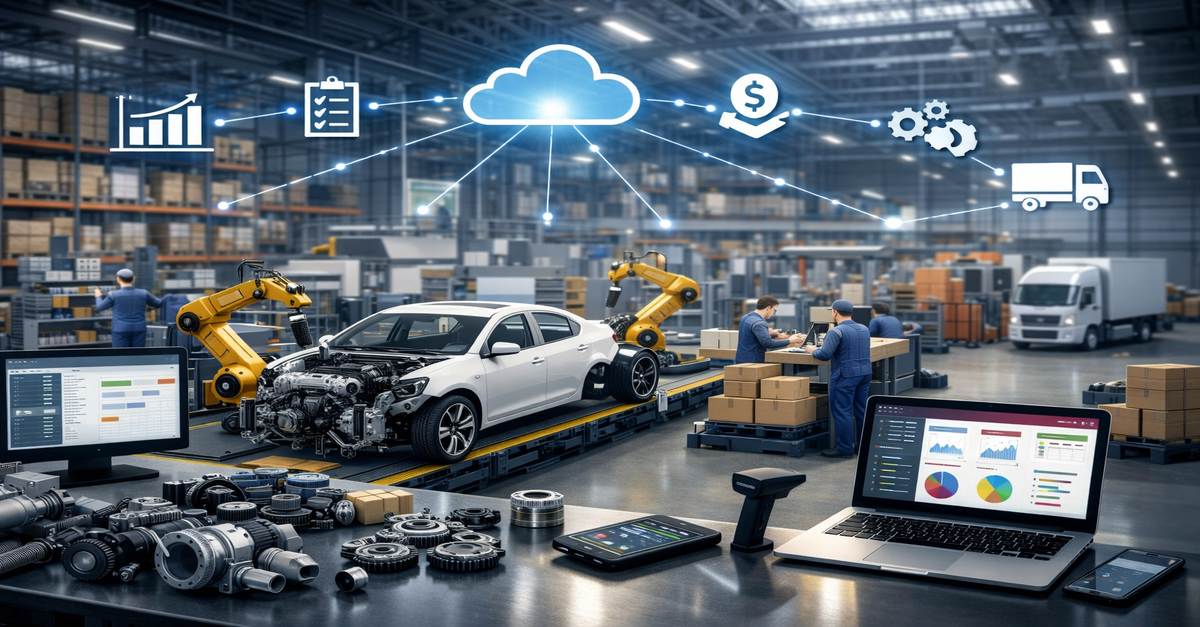
Odoo ERP for Automotive Components Manufacturing | Automobile Company Solution
The Automobile Manufacturing sector is evolving at lightning speed. While the industry is growing, automobile manufacturers are facing a new era of complexity—from semiconductor shortages to the rapid shift toward electric vehicles. To survive, every automobile company needs a digital backbone that can handle the pressure of modern production. What is Automobile Components Manufacturing Industry? The automotive component manufacturers are the heart of the vehicle supply chain. This industry involves designing and producing thousands of specialized parts—from engine valves to high-tech sensors—that automobile manufacturers rely on to build the final vehicle. Challenges Faced by Automobile Parts Manufacturers The automotive parts manufacturing business is currently dealing with a “perfect storm” of hurdles: Supply Chain Disruptions: A shortage of raw materials or semiconductor chips makes it tougher to create important components. High Competition: There are a lot of automotive parts manufacturing companies. They all need to keep prices down while ensuring their goods remain top-quality. Sustainability & Compliance: Manufacturers must adhere to strict environmental regulations and employ eco-friendly materials. New Technologies: With the rise of self-driving and electric cars, parts need to be smarter and more integrated with software. Automotive components manufacturing erp software Automotive component manufacturers need efficient systems to manage production management, inventory management, quality control, and supply chain operations. Automotive ERP software helps streamline these processes by integrating all business operations into a single platform and improving Manufacturing planning, shop floor management, and real-time production tracking. At Cloudmonte, we provide advanced Odoo ERP for Automotive Manufacturing that helps companies automate workflows, manage bill of materials (BOM), inventory control, procurement management, and warehouse operations. Our Odoo ERP implementation for automotive components manufacturers enables businesses to reduce manual work, improve productivity, and gain real-time insights for better decision-making and scalable growth. Why Automobile Components Manufacturers Need ERP Software? In a high-speed automobile manufacturing environment, manual tracking leads to errors. An ERP system like Odoo provides a unified platform to manage everything from “Design to Delivery,” ensuring that your automobile company stays ahead of the curve. How Odoo ERP Helps in Automobile Components Manufacturing Odoo is a flexible, modular solution that integrates every department. Whether it’s managing the procurement of steel or tracking the assembly of a gearbox, Odoo ensures that automotive component manufacturers have 360-degree visibility into their operations. Key Features of Odoo ERP for Automotive Industry Real-time Dashboards: Track your KPIs instantly. Smart Procurement: Automated triggers for raw material purchases. Engineering Change Management (ECM): Update part designs across all levels of production instantly. Odoo Manufacturing Module for Automobile Parts Production The Odoo MRP (Manufacturing Resource Planning) module is specifically built for the complexities of automotive parts manufacturing. It allows you to: Manage complex, multi-level Bills of Materials (BOM). Schedule work orders based on real-time machine availability. Track labor costs and machine efficiency. Inventory Management with Odoo ERP Inventory is where most automotive parts manufacturing companies lose money. Odoo’s “Double-Entry” inventory system ensures: Total Traceability: Track every part via serial or lot numbers (essential for recalls). JIT (Just-In-Time): Reduce storage costs by syncing material arrivals with production schedules. Quality Control & Compliance Management Quality is non-negotiable for automobile manufacturers. Odoo allows you to set up automated quality checks at the receiving, production, and shipping stages to ensure every part meets global safety standards. Benefits of Implementing Odoo ERP in Automobile Components Industry Benefit Impact on Growth Cost Optimization Better material tracking leads to less waste. Faster Time-to-Market Streamlined workflows speed up the production cycle. Enhanced Collaboration Syncs sales, warehouse, and floor teams perfectly. Why Choose Odoo ERP Over Other Manufacturing ERP Software? Unlike traditional, rigid software, Odoo is highly customizable. For an automobile company, this means you can start with just the manufacturing module and add more as you scale. It’s more affordable and user-friendly than most legacy systems used in the automobile manufacturing world today. The automobile manufacturing sector is evolving at lightning speed. While the industry is growing, automobile manufacturers are facing a new era of complexity—from semiconductor shortages to the rapid shift toward electric vehicles. To survive, every automobile company needs a digital backbone that can handle the pressure of modern production. What is Automobile Components Manufacturing Industry? The automotive component manufacturers are the heart of the vehicle supply chain. This industry involves designing and producing thousands of specialized parts—from engine valves to high-tech sensors—that automobile manufacturers rely on to build the final vehicle. Challenges Faced by Automobile Parts Manufacturers The automotive parts manufacturing business is currently dealing with a “perfect storm” of hurdles: Supply Chain Disruptions: A shortage of raw materials or semiconductor chips makes it tougher to create important components. High Competition: There are a lot of automotive parts manufacturing companies. They all need to keep prices down while ensuring their goods remain top-quality. Sustainability & Compliance: Manufacturers must adhere to strict environmental regulations and employ eco-friendly materials. New Technologies: With the rise of self-driving and electric cars, parts need to be smarter and more integrated with software.
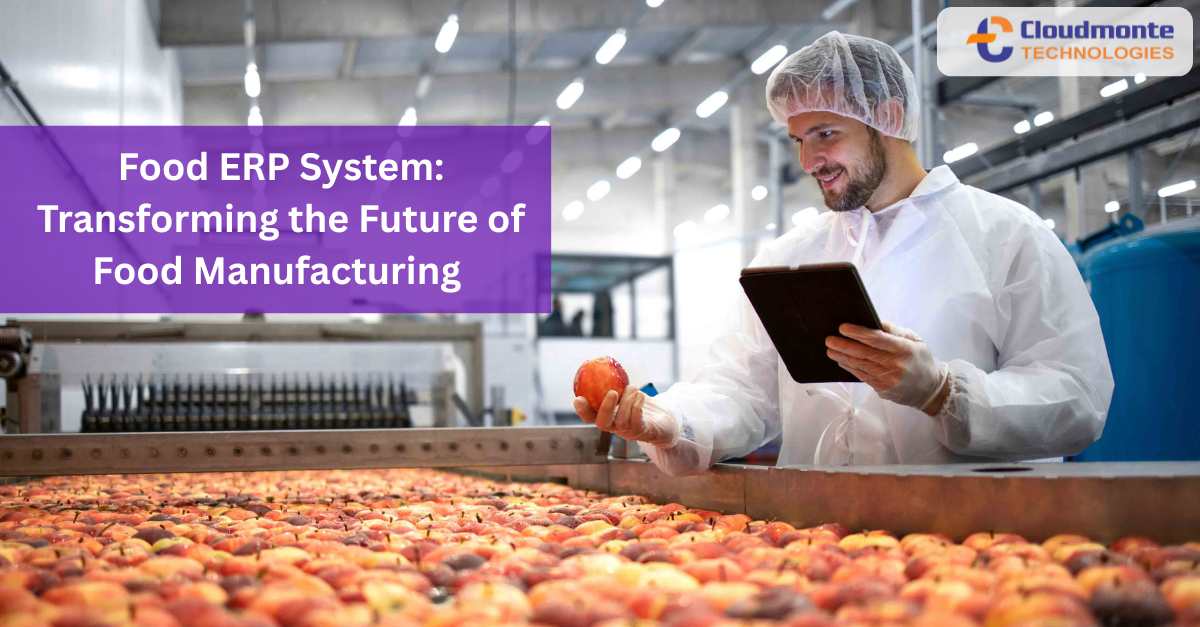
Food ERP System: Transforming the Future of Food Manufacturing
The food manufacturing industry operates in a world where precision, speed, and compliance are non-negotiable. From managing raw material sourcing to ensuring product quality and meeting regulatory standards — every stage in the food supply chain demands accuracy and visibility. Yet, many food businesses still rely on outdated systems or manual processes that create inefficiencies, waste, and profit leaks. This is where a Food ERP System comes into play — offering an integrated platform that connects production, inventory, sales, quality, and finance into one centralized solution. Whether it’s a small food processor or a large-scale manufacturer, an ERP for food industry empowers organizations to streamline operations, control costs, and stay compliant while improving profit margins. The Growing Complexity of the Food Manufacturing Industry: Food manufacturing has evolved rapidly over the past decade. Consumers demand more variety, faster delivery, and higher quality. Meanwhile, food safety regulations, supply chain disruptions, and perishable inventory management have added layers of complexity. Common challenges faced by food manufacturers include: Inventory and Waste Management – Perishable goods and fluctuating demand often lead to overproduction or wastage. Batch and Lot Traceability – Tracking every ingredient and finished product is critical for compliance and recalls. Quality and Compliance Control – Strict regulations like FSSAI, FDA, and ISO require accurate records and process control. Recipe and Formula Management – Maintaining consistency in recipes and formulations across batches is difficult without automation. Production Planning – Balancing production capacity with demand fluctuations remains a constant challenge. Cost Control and Profitability – Rising raw material costs and energy consumption affect overall profitability. Without a centralized system, these pain points can create significant operational inefficiencies, customer dissatisfaction, and financial loss. Book Your Free Demo How an ERP for Food Industry Solves These Challenges? A Food ERP System provides end-to-end automation and visibility across all departments — from procurement to dispatch. It integrates every business function, enabling data-driven decisions and real-time control. Here’s how ERP for food manufacturing helps overcome industry-specific challenges: 1. Real-Time Inventory & Material Tracking Food manufacturing ERP software enables manufacturers to track raw materials, semi-finished goods, and finished products in real time. Automated batch and lot tracking reduce manual errors and ensure full traceability across the supply chain. 2. Quality Assurance and Compliance Food ERP systems maintain digital records of inspections, testing results, and compliance certifications. This ensures that your production meets regulatory requirements and internal quality standards. In case of a recall, you can instantly trace the affected batch, minimizing damage and response time. 3. Streamlined Production and Recipe Control ERP software allows food producers to manage complex recipes, formulations, and production orders efficiently. You can standardize ingredient proportions, calculate yields, and maintain consistency across every batch — ensuring product quality remains uniform. 4. Accurate Demand Forecasting and Planning Using built-in analytics and AI-powered forecasting, ERP systems help you anticipate demand trends based on seasonality, sales data, and historical consumption. This prevents overproduction and stockouts, optimizing inventory and production schedules. 5. Cost Optimization and Profitability A comprehensive ERP for food manufacturing helps identify cost leakages in production, wastage, procurement, and logistics. Automated reporting and real-time dashboards give management a 360° view of cost structure and profitability across plants and product lines. 6. End-to-End Supply Chain Integration From supplier management to final delivery, an ERP system creates seamless communication between all stakeholders. It helps track supplier performance, monitor transportation costs, and ensure on-time delivery of quality products. 7. Lot Expiry and Shelf-Life Management A food ERP system helps monitor product expiration and shelf-life data to ensure first-expiry-first-out (FEFO) practices, reducing waste and ensuring timely product dispatch. Key Benefits of Implementing a Food Manufacturing ERP Software: Adopting a modern ERP solution can transform your food business operations with measurable improvements in efficiency and ROI. Operational Benefits: Centralized data and real-time insights Faster decision-making Reduced manual work and human error Improved coordination between departments Financial Benefits: Better cost control and budgeting accuracy Reduced production waste Enhanced profitability through process optimization Data-driven resource utilization Compliance & Quality Benefits: Easy audit trails and regulatory reporting Automated quality checks at each stage Minimized risk of product recalls ROI: What to Expect After Implementing a Food ERP System? Implementing an ERP for food industry is an investment — and the returns are often visible within the first year. Businesses typically observe: 15–25% reduction in production waste through better forecasting and shelf-life management 20–30% improvement in operational efficiency due to process automation 30–40% faster decision-making with real-time insights and reports 25–35% improvement in profit margins through cost control and optimized resource usage The ROI extends beyond financial gains — it also strengthens brand trust, customer satisfaction, and long-term scalability. Heading: Choosing the Right ERP for Food Manufacturing: When selecting a food manufacturing ERP software, it’s crucial to evaluate: Industry-specific functionality (lot tracking, recipe control, quality management, etc.) Scalability and cloud-readiness Integration capabilities with existing systems Local compliance support User-friendly interface and reliable vendor support Opt for a solution built specifically for the food sector, not a generic ERP. The right system will adapt to your operational model — not the other way around. Final Thought: In today’s fast-moving food industry, relying on spreadsheets or legacy systems is no longer sustainable. A modern Food and Beverage ERP System bring clarity, control, and competitiveness to your operations. It enables manufacturers to handle challenges like traceability, compliance, quality control, and profitability — all from one unified platform. Whether you are producing baked goods, beverages, dairy, or packaged foods, the power of ERP for food manufacturing can redefine how your business operates. From reducing waste to improving margins, the right ERP software helps food companies stay compliant, efficient, and ready for growth.
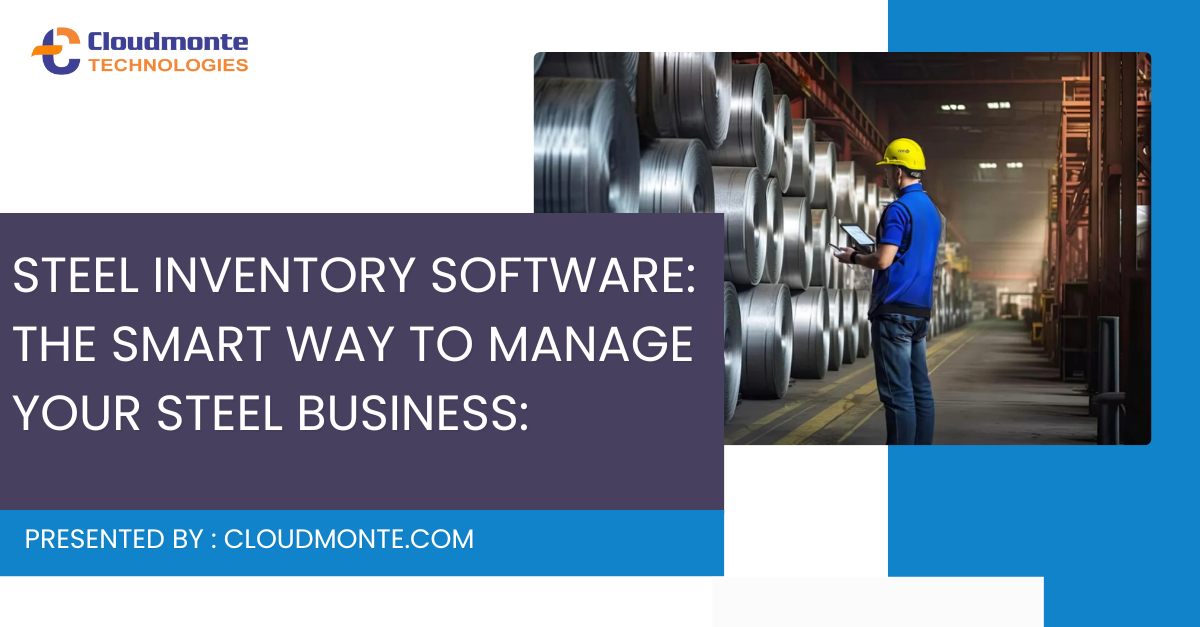
Steel Inventory Management Software: The Smart Way to Manage Your Steel Business:
In the steel manufacturing industry, precision, efficiency, and cost control are everything. Managing thousands of tons of raw materials, semi-finished, and finished steel products manually can lead to chaos, errors, and financial losses. That’s where Steel Inventory Management Software comes into play — transforming how steel businesses monitor, track, and optimize their inventory operations. Why Do Steel Manufacturers Need Smart Inventory Management Software? Steel production and fabrication involve multiple processes — from procurement and production to delivery. Tracking every coil, rod, sheet, or bar in real-time is critical to avoid overstocking or understocking. Traditional spreadsheets or manual methods simply can’t keep up with the speed and scale of today’s operations. With Steel Inventory Management Software, manufacturers can: The result? A more agile, transparent, and profitable supply chain. Key Features of the Best Steel Inventory Management Software: Choosing the best steel inventory management software is not just about automation — it’s about how well it adapts to your unique production environment. Here are some must-have features to look for: How Steel Fabrication Management Software Enhances Production Efficiency? For steel fabricators, managing the production process is just as challenging as tracking inventory. A robust steel fabrication management software integrates every part of the workflow — from design to delivery. It ensures: By using steel fabrication management software, manufacturers can reduce lead times, increase accuracy, and deliver better-quality products — while maintaining profitability. Why is ERP Software for Steel Manufacturing a Game Changer? While inventory tools are essential, complete digital transformation happens when you combine them with full-scale ERP Software for Steel Manufacturing Industry. ERP systems unify every aspect of your business — from procurement and production to sales and finance — giving you a 360° view of your operations. This holistic approach ensures that your steel inventory management software becomes part of a larger, smarter business ecosystem. Benefits of Using Steel Inventory Management Software: Reduced Operational Costs: Eliminate wastage, minimize stock discrepancies, and optimize purchasing decisions. Improved Traceability: Track materials from procurement to shipment with batch and lot tracking. Enhanced Decision-Making: Access real-time data and analytics for smarter business planning. Better Compliance: Maintain detailed records for quality assurance and audit requirements. Customer Satisfaction: Deliver products on time with accurate tracking and scheduling Conclusion: In a fast-paced, competitive industry like steel manufacturing, staying ahead means being data-driven. The best steel inventory management software doesn’t just help you track materials — it empowers you to make smarter business decisions, streamline operations, and scale with confidence. Whether you’re running a large steel plant or a fabrication workshop, investing in the right steel inventory management software, steel fabrication management software, or even a comprehensive ERP Software for Steel Manufacturing can be the key to achieving operational excellence and long-term growth.
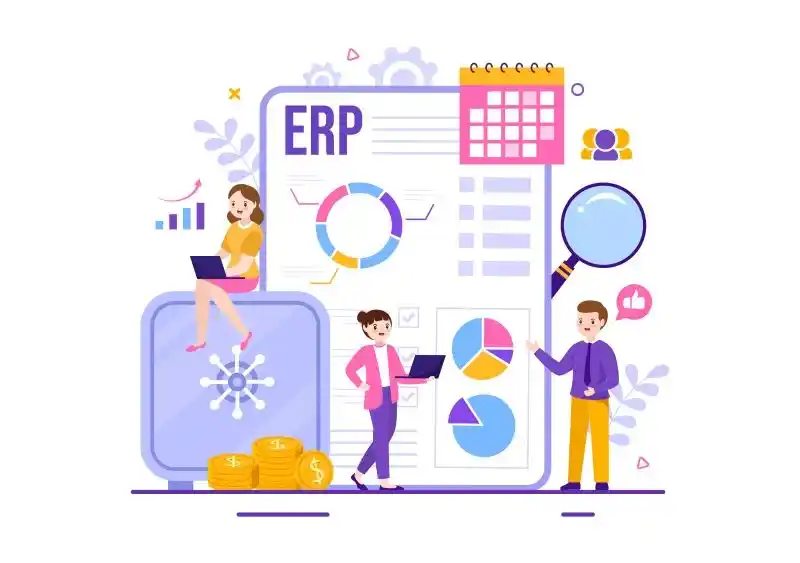
Top 5 ERP Software for Small Businesses in India (GST-Compliant, Scalable & Smart)
Are you a Small or Mid-sized SMBs looking for Best ERP software with GST-Compliant, Scalable and Smart.As small or mid-size businesses grow, managing workflows manually becomes overwhelming. Whether you’re tracking inventory, handling finances, or staying GST-compliant, integrating everything under one roof is essential. That’s why choosing the best ERP software for businesses is crucial. In this list, you’ll find top-tier, GST-compliant ERP software ideal for Indian SMBs—combining automation, affordability, and agility. Odoo ERP System: Odoo ERP offers modules for accounting, inventory, CRM, manufacturing, and more. Its open-source Community edition and feature-rich Enterprise version make it adaptable for growing SMB needs—though GST setup may require additional configuration. Features of Odoo ERP Software: Modular System – 30+ core modules (Sales, CRM, Accounting, HR, Inventory, Manufacturing, etc.) and 20,000+ community apps. Integrated Applications – All-in-one platform connecting Sales, CRM, Accounting, HR, Inventory, and more. User-Friendly Interface – Modern, web-based, and accessible on desktop and mobile. Customization & Flexibility – Highly configurable workflows and open-source development support. Accounting & Finance – GST compliant, automated invoicing, bank reconciliation, and real-time financial reports. Inventory & Warehouse Management – Real-time stock tracking with barcode/RFID support and multiple warehouse handling. CRM & Sales Management – Lead tracking, sales pipeline, quotations, and customer relationship management. Project & Task Management – Kanban, Gantt, timesheets, and collaboration tools. E-Commerce & Website Builder – Drag-and-drop website builder with inventory and payment integration. Multi-Company & Multi-Currency – Manage multiple branches and currencies in one platform. Microsoft Dynamics 365 Business Central: A modern, cloud-based ERP with Accounting, Sales, Inventory, and BI (via Power BI). It integrates smoothly with Office 365 and scales with growth—perfect for SMBs already using Microsoft tools. Top Features of Dynamics 365 Business Central: All-in-One Business Management – Integrates finance, sales, purchasing, inventory, projects, and operations in a single platform. Financial Management Real-time cash flow, budgets, bank reconciliation, and multi-currency support. GST/VAT and tax compliance (localized for multiple countries). Inventory & Supply Chain Management Tracks stock across locations, warehouses, and bins. Supports serial numbers, lot tracking, and automated replenishment. Sales & Customer Relationship Management Manage leads, quotes, sales orders, and customer interactions. Integration with Outlook for seamless customer communication. Project & Job Management Budgeting, resource allocation, timesheets, and progress tracking. Manufacturing (MRP) Bills of Materials (BoM), production orders, capacity planning, and shop floor control. Seamless Microsoft 365 & Power Platform Integration Works natively with Excel, Outlook, Teams, and Power BI for advanced analytics. Cloud, On-Premises, and Hybrid Deployment Flexible deployment options depending on business needs. Scalability & Customization Extensions through Microsoft AppSource and customization via AL language. Security & Compliance Role-based security, GDPR compliance, and enterprise-grade Microsoft cloud security. SAP Business One Geared toward slightly larger SMBs, this ERP brings strong finance, HR, and operations automation. It offers powerful scalability—but be prepared for a steeper price point and deployment commitment. Feature of SAP Business One: Financial Management – Automated accounting, cash flow, multi-currency support, and tax compliance. Sales & CRM – Manage leads, quotations, orders, invoices, and customer relationships. Inventory & Warehouse Management – Real-time stock tracking, batch/serial number management, and multiple warehouses. Production & Project Management – Bills of Materials, MRP, production orders, project budgeting, and resource allocation. Analytics & Integration – Customizable reports, dashboards, and seamless integration with Microsoft Office, SAP HANA, and third-party apps. Infor CloudSuite ERP Solutions: An industry-specific, cloud-deployed ERP that offers flexible workflows, AI analytics, and scalable business intelligence—great for SMBs in verticals like manufacturing, healthcare, or retail. Streamlined accounting, budgeting, cash flow management, and multi-currency support. Real-time inventory tracking, demand planning, warehouse optimization, and procurement management. Supports discrete, process, and mixed-mode manufacturing with production scheduling and shop floor control. Manage leads, orders, quotes, and customer service through integrated CRM tools. Built-in dashboards, reporting, and predictive analytics, with cloud deployment for scalability and accessibility. Oracle NetSuite A cloud-first, global ERP powerhouse, offering comprehensive finance, supply chain, CRM, and inventory management with dynamic dashboards—ideal for SMBs scaling toward enterprise operations. General ledger, accounts payable/receivable, fixed assets, multi-currency, and tax compliance. Lead-to-cash process, opportunity tracking, quotations, and customer relationship management. Real-time inventory tracking, demand planning, order management, and procurement. Supports discrete, process, and mixed-mode manufacturing with production scheduling and resource planning. Built-in dashboards, KPI reporting, business intelligence, and fully cloud-based for scalability and accessibility. Why These Qualify as the Best ERP Software for Small Businesses? GST Compliance Built-In – All listed options offer robust support for GST invoicing, return filing, and e-way bills. SMB-Friendly Pricing & Scale – From affordable open-source options like Odoo to lightweight accounts-focused tools like Zoho and Tally. Automation & Efficiency – Reduces manual entry, streamlines workflows, and centralizes operations for informed decision-making. Growth-Ready – Many options (Odoo, NetSuite, Dynamics) allow extending modules as your business expands. How to Pick the Right ERP for Your Business? Clarify Your Needs – Do you need core accounting or full workflow automation plus inventory and CRM? Budget Wisely – Factor in setup, training, and support costs, not just software price. Plan for Scalability – Start lean but ensure addition of new modules/features as required. Support & Community – Choose platforms with strong vendor support or thriving community (especially for open-source). Test Before Commitment – Use trials to explore UI, GST ease, reports, and workflows. Final Thoughts Choosing the right ERP software for small businesses can transform the way your company operates, making processes more efficient, ensuring GST compliance, and supporting growth. Whether you prioritize affordability, cloud capabilities, or scalability, selecting the best ERP software tailored to your needs will not only simplify daily operations but also empower smarter business decisions. Investing in the right solution today sets the foundation for a more organized, productive, and future-ready business.